

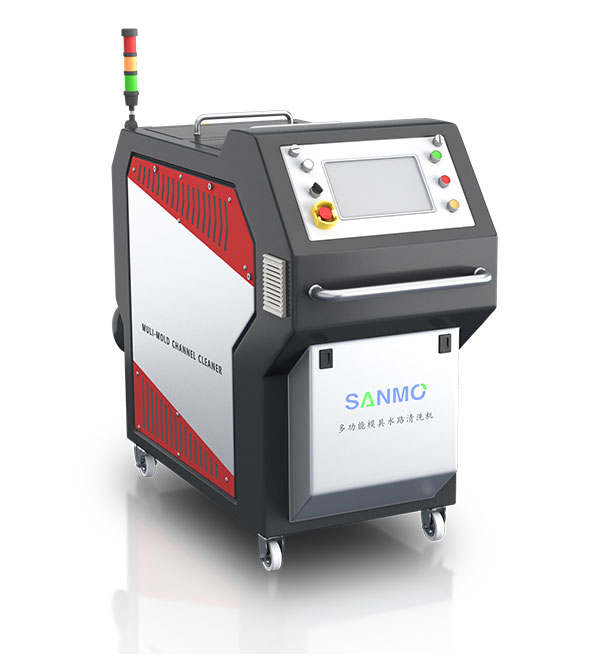
Industrial Mold Cleaning Machines: Solutions for Precision and Efficiency
Industry Background and Market Demand
The manufacturing sector relies heavily on molds for producing plastic, rubber, and metal components. Over time, residues such as grease, polymer buildup, and oxidation accumulate, reducing mold efficiency and product quality. Traditional cleaning methods—manual scrubbing, chemical baths, or abrasive techniques—are labor-intensive, inconsistent, and may damage delicate surfaces.
Industrial mold cleaning machines address these challenges by automating the process with precision and repeatability. The market demand is driven by:
- Higher production throughput requirements in automotive, aerospace, and consumer goods.
- Stricter quality standards that demand contamination-free molds.
- Sustainability initiatives pushing for reduced chemical and water usage.
Core Technologies in Mold Cleaning Machines
Modern mold cleaning systems employ advanced technologies to ensure thorough cleaning without compromising tool integrity. Key methods include:
1. Dry Ice Blasting – Uses solid CO₂ pellets sublimating upon impact, removing contaminants without abrasion or moisture. Ideal for sensitive surfaces.
2. Laser Cleaning – High-intensity lasers vaporize residues without physical contact, suitable for intricate geometries.
3. Ultrasonic Cleaning – High-frequency sound waves create cavitation bubbles in liquid solutions, dislodging particles from crevices.
4. Abrasive Media Blasting – Controlled application of non-destructive media (e.g., baking soda, walnut shells) for tougher deposits.
Each method has trade-offs in speed, cost, and compatibility with different mold materials.
Product Structure and Manufacturing Considerations
Industrial mold cleaning machines vary in design but share critical components:
- Cleaning Chamber/Nozzle System – Engineered for targeted application, ensuring uniform coverage.
- Filtration and Recovery – Captures dislodged debris to prevent recontamination.
- Control Interface – Programmable settings for pressure, temperature, and cycle duration.
Materials and Build Quality
- Stainless steel or aluminum frames resist corrosion.
- Seals and hoses must withstand high-pressure environments.
- Precision nozzles (e.g., tungsten carbide) ensure consistent media flow.
Manufacturing Processes
- CNC machining ensures tight tolerances for critical parts.
- Robotic welding for durable, leak-proof assemblies.
- Rigorous testing under simulated industrial conditions.
Key Factors Affecting Performance
1. Media Selection – Incorrect abrasive media can erode mold surfaces.
2. Pressure and Flow Control – Excessive pressure may cause micro-fractures.
3. Operator Training – Improper handling reduces efficiency and risks damage.
4. Maintenance Protocols – Regular inspection of filters, nozzles, and pumps prevents downtime.
Supplier Selection Criteria
When sourcing mold cleaning equipment, manufacturers evaluate:
- Technical Expertise – Vendors with in-house R&D adapt to evolving industry needs.
- Compliance Certifications – ISO 9001, CE, or OSHA compliance ensures safety and reliability.
- After-Sales Support – Availability of spare parts and troubleshooting assistance.
- Customization Options – Machines tailored for large molds or specific contaminants.
Industry Challenges and Common Issues
1. Residue Rebound – Poorly designed systems may redeposit debris.
2. Energy Consumption – High-power lasers or compressors increase operational costs.
3. Material Compatibility – Some methods degrade soft metals or coatings.
4. Regulatory Constraints – Disposal of contaminated media requires adherence to environmental laws.
Applications and Case Studies
- Automotive – A Tier-1 supplier reduced cleaning time for injection molds by 60% using dry ice blasting, eliminating solvent waste.
- Medical Devices – Ultrasonic cleaning ensured sterile molds for silicone implants, meeting FDA standards.
- Electronics – Laser systems restored precision in overmolding tools for microconnectors, reducing defect rates.
Trends and Future Developments
1. Automation Integration – AI-assisted monitoring for predictive maintenance.
2. Eco-Friendly Solutions – Waterless cleaning and biodegradable media gain traction.
3. Hybrid Systems – Combining dry ice and laser for multi-stage cleaning.
4. Portable Units – Compact machines for on-site maintenance in large facilities.
FAQ
Q: How often should industrial molds be cleaned?
A: Frequency depends on material buildup; high-volume production may require daily cleaning.
Q: Can these machines clean 3D-printed molds?
A: Yes, but method selection is critical—laser or ultrasonic is preferred for delicate surfaces.
Q: What’s the average ROI for automated cleaning systems?
A: Most operations recover costs within 12–18 months via reduced labor and scrap rates.
Conclusion
Industrial mold cleaning machines are evolving to meet higher efficiency and sustainability demands. Manufacturers must balance technology, material science, and operational best practices to optimize performance. As automation and green solutions advance, these systems will become indispensable in precision manufacturing.
@2024 Công ty TNHH Máy móc chính xác Shanmo (Kunshan). Mọi quyền được bảo lưu. Máy làm sạch khuôn đường thủy,
máy làm sạch khuôn điện phân, nhà sản xuất máy làm sạch khuôn
ĐT:+86 512-55001520
whatsapp:+86 15599099006 / +86 15599099098
E-mail:sanmo030788@gmail.com
Thêm vào:KHÔNG. Số 56, đường yang carapace, thị trấn Chu, thành phố Côn Nam Sơn, tỉnh Giang Tô


Trang web này sử dụng cookie để đảm bảo bạn có được trải nghiệm tốt nhất trên trang web của chúng tôi.
 English
 Español
 Pусский
 العربية



 Điện thoại
 Thư
Thư
Bình luận
(0)