

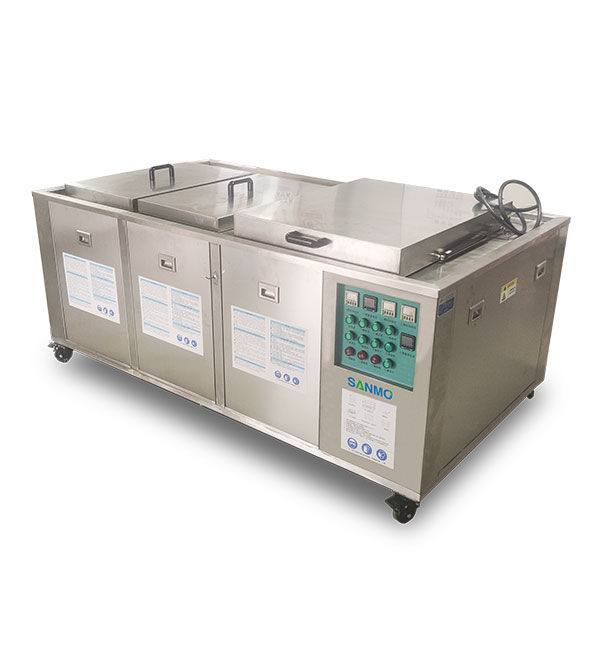
Mold Cleaning Machine Manufacturer and Compliance Requirements
Industry Background and Market Demand
The mold cleaning industry has evolved significantly due to increasing demands for precision, efficiency, and environmental sustainability in manufacturing. Mold cleaning machines are essential in industries such as automotive, aerospace, medical devices, and consumer electronics, where contamination-free molds are critical for product quality.
Market growth is driven by stricter regulatory standards, the need for reduced downtime in production lines, and the shift toward automated cleaning solutions. Manufacturers must balance performance with compliance, particularly concerning workplace safety, chemical handling, and waste disposal regulations.
Core Concepts and Key Technologies
Modern mold cleaning machines utilize several advanced technologies:
- Ultrasonic Cleaning: High-frequency sound waves remove contaminants from intricate mold geometries without damaging surfaces.
- Dry Ice Blasting: A non-abrasive method using solid CO₂ pellets, ideal for delicate molds and eliminating secondary waste.
- Laser Cleaning: Precision-focused lasers vaporize contaminants without chemical residues, suitable for high-value molds.
- Aqueous and Solvent-Based Systems: Traditional methods enhanced with biodegradable chemicals to meet environmental regulations.
Each technology has trade-offs in cost, efficiency, and compatibility with different mold materials.
Product Structure, Materials, and Manufacturing Processes
A typical industrial mold cleaning machine consists of:
- Cleaning Chamber: Designed for varying mold sizes, often with modular configurations.
- Filtration System: Ensures contaminants are captured and disposed of safely.
- Control Panel: Programmable logic controllers (PLCs) enable customizable cleaning cycles.
- Material Compatibility: Stainless steel and corrosion-resistant polymers are common for durability.
Manufacturing processes emphasize precision welding, CNC machining for tight tolerances, and rigorous quality control to prevent leaks or malfunctions.
Key Factors Affecting Quality and Performance
Several factors determine a machine’s effectiveness:
1. Cleaning Agent Selection: Must match mold material (e.g., aluminum, steel, composites) to avoid corrosion.
2. Energy Efficiency: High-power systems must minimize energy consumption without sacrificing performance.
3. Regulatory Compliance: Machines must adhere to OSHA, EPA, and REACH standards for emissions and workplace safety.
4. Maintenance Requirements: Self-cleaning systems reduce downtime, while easily replaceable parts extend lifespan.
Supplier and Supply Chain Considerations
Selecting a reliable manufacturer involves evaluating:
- Certifications: ISO 9001, CE, and industry-specific approvals.
- Material Traceability: Documentation of raw material sources to ensure consistency.
- After-Sales Support: Availability of spare parts and technical assistance.
- Local vs. Global Sourcing: Proximity impacts lead times and service responsiveness.
Common Challenges and Industry Pain Points
1. Regulatory Complexity: Varying regional laws complicate global sales.
2. Residue Management: Improper disposal of cleaning byproducts risks fines.
3. High Initial Costs: Advanced systems require justification through ROI analysis.
4. Operator Training: Inadequate knowledge leads to inefficient use or equipment damage.
Applications and Case Studies
- Automotive: A Tier 1 supplier reduced mold changeover time by 40% using automated ultrasonic cleaning.
- Medical Devices: A manufacturer achieved ISO 13485 compliance by switching to solvent-free laser cleaning.
- Packaging: Dry ice blasting eliminated water waste in PET mold maintenance.
Current Trends and Future Outlook
1. Automation Integration: AI-driven predictive maintenance and IoT-enabled monitoring are gaining traction.
2. Green Technologies: Biodegradable cleaning agents and closed-loop water systems are in demand.
3. Miniaturization: Compact machines for small-batch production lines are emerging.
4. Hybrid Systems: Combining multiple cleaning methods (e.g., ultrasonic + laser) improves versatility.
FAQ
Q: How do I choose between ultrasonic and dry ice cleaning?
A: Ultrasonic is better for small, intricate molds, while dry ice suits large surfaces without secondary waste.
Q: What certifications should a compliant machine have?
A: Look for CE, OSHA, and EPA compliance, along with industry-specific standards like ISO 14644 for cleanrooms.
Q: How often should mold cleaning machines be serviced?
A: Quarterly inspections are recommended, but usage intensity may require more frequent checks.
Q: Are there cost-effective alternatives for small manufacturers?
A: Modular or leased systems can reduce upfront costs while maintaining compliance.
Conclusion
Mold cleaning machine manufacturers must prioritize innovation, regulatory adherence, and user safety to meet industry demands. As technology advances, the focus will shift toward sustainability, automation, and adaptable solutions for diverse applications. Businesses investing in high-quality, compliant systems will gain a competitive edge in precision manufacturing.
@2024 Công ty TNHH Máy móc chính xác Shanmo (Kunshan). Mọi quyền được bảo lưu. Máy làm sạch khuôn đường thủy,
máy làm sạch khuôn điện phân, nhà sản xuất máy làm sạch khuôn
ĐT:+86 512-55001520
whatsapp:+86 15599099006 / +86 15599099098
E-mail:sanmo030788@gmail.com
Thêm vào:KHÔNG. Số 56, đường yang carapace, thị trấn Chu, thành phố Côn Nam Sơn, tỉnh Giang Tô


Trang web này sử dụng cookie để đảm bảo bạn có được trải nghiệm tốt nhất trên trang web của chúng tôi.
 English
 Español
 Pусский
 العربية



 Điện thoại
 Thư
Thư
Bình luận
(0)