

Electrolytic Mold Cleaning Machines for Steel and Alloy Molds: Technology and Industry Trends
Industry Background and Market Demand
Steel and alloy molds are critical in industries such as automotive, aerospace, and consumer electronics, where precision and durability are non-negotiable. However, mold contamination—caused by oxidation, residual release agents, or carbon buildup—leads to frequent downtime, increased maintenance costs, and compromised product quality. Traditional cleaning methods, including abrasive blasting and chemical baths, often damage delicate surfaces or fail to remove stubborn deposits entirely.
Electrolytic mold cleaning machines offer a non-abrasive, efficient alternative. The global demand for these systems is rising, driven by stricter environmental regulations and the need for cost-effective, high-precision mold maintenance. Manufacturers increasingly prioritize solutions that minimize waste, reduce manual labor, and extend mold lifespan.
Core Concept and Key Technology
Electrolytic cleaning employs an electrochemical process to dissolve contaminants without mechanical abrasion. The machine submerges the mold in an electrolyte solution, applying a controlled current to initiate oxidation-reduction reactions. The process selectively removes oxides, carbon residues, and other impurities while preserving the base material.
Key components include:
- Power Supply: Delivers precise DC current to regulate reaction intensity.
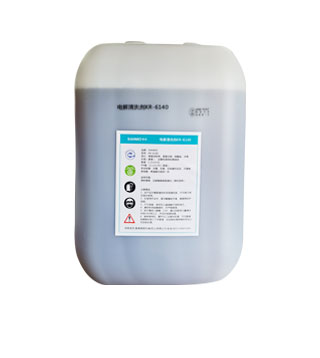
- Electrolyte Solution: Typically alkaline or acidic, formulated for specific alloys.
- Cathode/Anode Configuration: Ensures uniform cleaning without localized over-etching.
- Filtration System: Removes dislodged particles to maintain solution integrity.
Unlike ultrasonic or laser cleaning, electrolytic systems excel in treating complex geometries and deep cavities, making them ideal for intricate molds.
Product Structure, Materials, and Manufacturing
A standard electrolytic mold cleaning machine consists of:
- Tank: Constructed from corrosion-resistant materials like polypropylene or stainless steel.
- Electrode Assembly: Uses inert materials (e.g., titanium or platinum-coated electrodes) to prevent contamination.
- Control Panel: Features programmable settings for current density, temperature, and cycle duration.
- Safety Mechanisms: Includes ground-fault protection and fume extraction for hazardous byproducts.
Manufacturers prioritize modular designs for scalability, allowing integration with automated production lines. High-end models incorporate real-time monitoring via IoT sensors to track electrolyte degradation and process efficiency.
Critical Factors Affecting Performance
1. Electrolyte Composition: Must match the mold material (e.g., alkaline solutions for steel, mild acids for aluminum alloys).
2. Current Density: Excessive current accelerates wear, while insufficient current prolongs cleaning.
3. Temperature Control: Affects reaction kinetics—higher temperatures speed up cleaning but risk over-etching.
4. Maintenance Regimen: Electrolyte contamination from dissolved metals reduces efficiency over time.
Supplier Selection and Supply Chain Considerations
When sourcing electrolytic cleaning systems, buyers should evaluate:
- Technical Support: Vendors must provide application-specific tuning.
- Compliance: Machines should meet ISO 14001 (environmental) and CE/UL safety standards.
- After-Sales Service: Availability of spare parts and electrolyte replenishment programs.
European manufacturers dominate the high-precision segment, while Asian suppliers offer cost-competitive alternatives. However, inconsistent electrolyte quality remains a concern in budget systems.
Common Challenges and Industry Pain Points
- Residue Management: Some alloys produce sludge that clogs filtration systems.
- Material Sensitivity: Over-etching can occur with improper settings, particularly on high-nickel alloys.
- Regulatory Hurdles: Disposal of spent electrolytes requires hazardous waste handling.
Applications and Case Studies
1. Automotive Injection Molds: A German supplier reduced cleaning time by 70% compared to manual scrubbing, extending mold life by 30%.
2. Aerospace Turbine Blades: Electrolytic cleaning removed oxidation without altering dimensional tolerances, critical for FAA compliance.
3. Consumer Electronics: A Taiwanese manufacturer eliminated micro-scratches on aluminum iPhone casings, improving anodizing adhesion.
Current Trends and Future Outlook
1. Automation Integration: Robotic arms are being paired with electrolytic cleaners for unmanned production lines.
2. Green Chemistry: Bio-degradable electrolytes are under development to reduce environmental impact.
3. AI Optimization: Machine learning algorithms analyze historical data to auto-adjust cleaning parameters.
FAQ
Q: Can electrolytic cleaning damage hardened steel molds?
A: No, when properly calibrated, the process selectively removes contaminants without eroding the base metal.
Q: How often should the electrolyte be replaced?
A: Depends on usage—typically every 3–6 months—but real-time monitoring systems can optimize replacement cycles.
Q: Is electrolytic cleaning suitable for plastic injection molds?
A: Yes, but non-conductive coatings require modified electrode configurations.
Q: What safety measures are necessary?
A: Proper ventilation, PPE, and grounding are essential to prevent electrical hazards and chemical exposure.
Conclusion
Electrolytic mold cleaning machines represent a paradigm shift in industrial mold maintenance, combining precision, efficiency, and environmental compliance. As material science and automation advance, these systems will become indispensable for high-value manufacturing sectors.
@2024 Công ty TNHH Máy móc chính xác Shanmo (Kunshan). Mọi quyền được bảo lưu. Máy làm sạch khuôn đường thủy,
máy làm sạch khuôn điện phân, nhà sản xuất máy làm sạch khuôn
ĐT:+86 512-55001520
whatsapp:+86 15599099006 / +86 15599099098
E-mail:sanmo030788@gmail.com
Thêm vào:KHÔNG. Số 56, đường yang carapace, thị trấn Chu, thành phố Côn Nam Sơn, tỉnh Giang Tô


Trang web này sử dụng cookie để đảm bảo bạn có được trải nghiệm tốt nhất trên trang web của chúng tôi.
 English
 Español
 Pусский
 العربية



 Điện thoại
 Thư
Thư
Bình luận
(0)